
Commercial Roofing Services For Multi Unit And Business Properties
Roofing systems designed for durability, drainage performance, and minimal disruption to daily operations.
Commercial Focus
Roofing Solutions Designed For Large Scale Structures And Operations
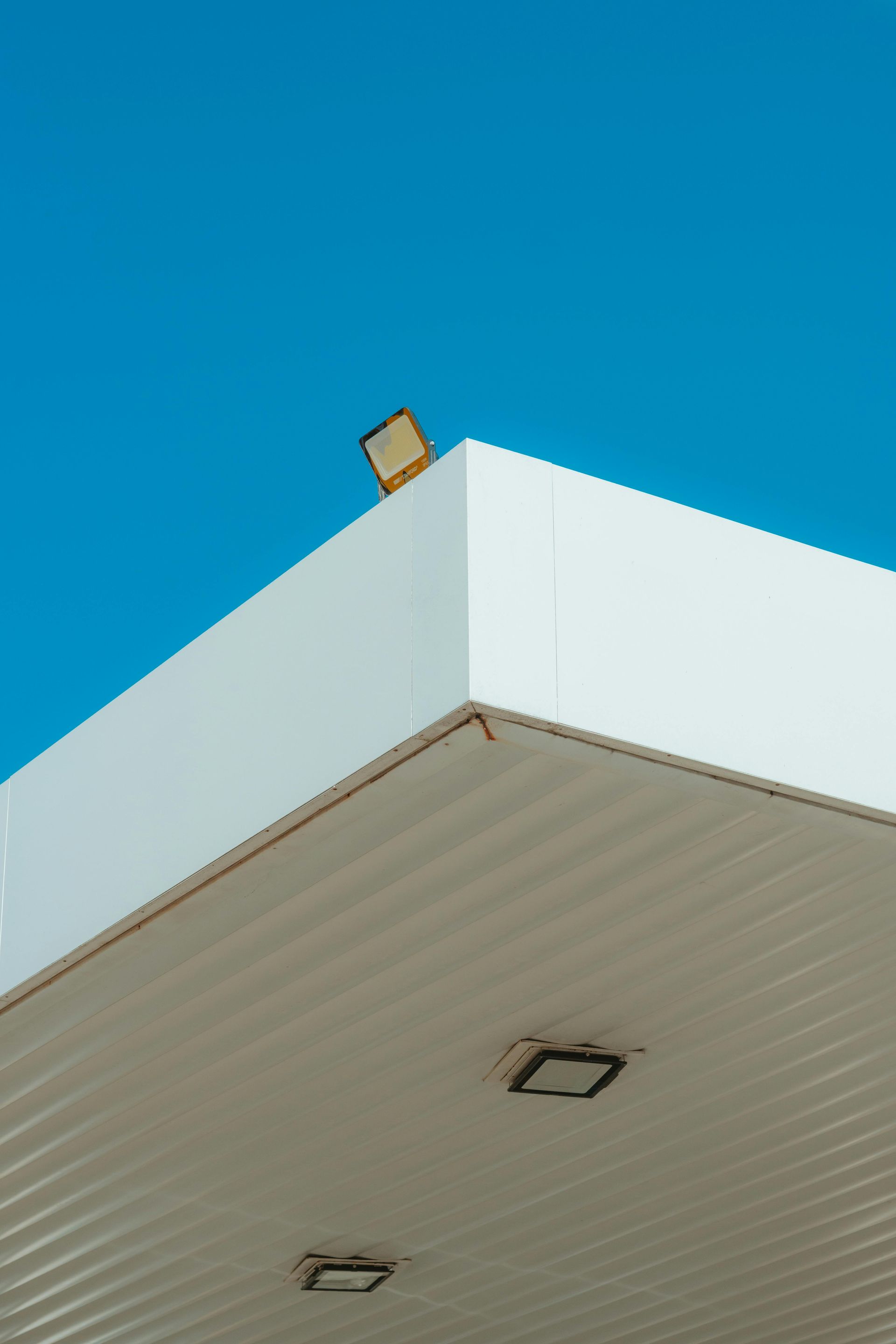
Commercial roofing systems require a different approach than residential projects due to the size, layout, and functional demands of the building. Prestige Roofing provides services for warehouses, retail spaces, apartment complexes, and other multi unit properties throughout Anaheim and surrounding Southern California areas.
These roofing systems are often low slope or flat, requiring careful attention to drainage design and material performance. Water movement, load distribution, and surface durability all play a role in how the system performs over time.
Property owners and managers rely on roofing systems that support daily operations without interruption. Whether addressing existing issues or planning improvements, commercial roofing work must be organized to align with building usage and accessibility.
Each project is approached with consideration for both the structure itself and how the building is used on a daily basis.
System Types
Flat Roofing Systems Built For Performance And Water Control
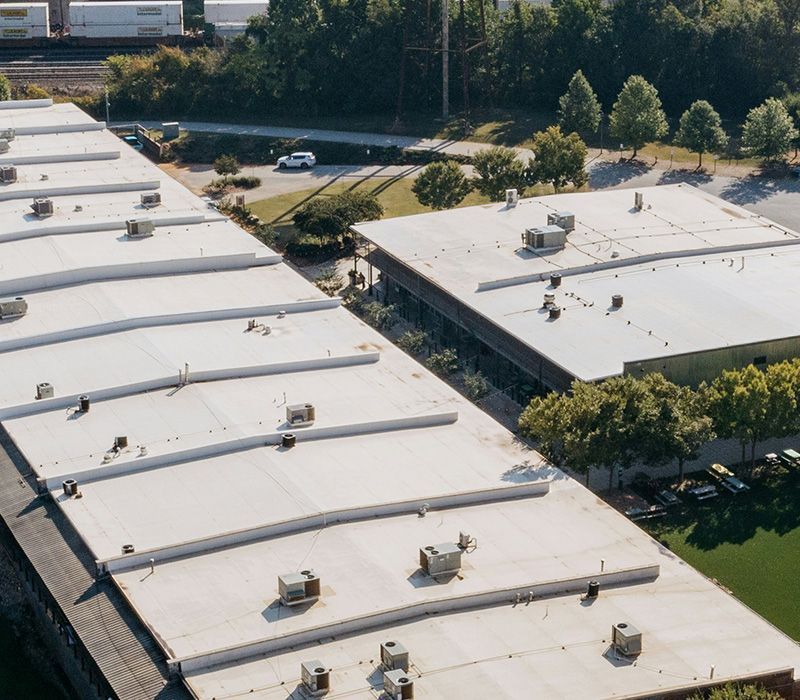
Commercial buildings commonly utilize flat or low slope roofing systems designed to manage water efficiently across large surface areas. Materials such as TPO, PVC, and modified bitumen are frequently used due to their durability and ability to create watertight seals.
Proper installation involves more than material placement. Slope alignment, drainage pathways, and sealing details must be executed carefully to prevent pooling and long term wear.
Roof penetrations for HVAC units, vents, and mechanical systems are also key areas that require precise sealing. These points are often the most vulnerable to leaks if not properly installed or maintained.
By focusing on system performance rather than just surface coverage, commercial roofing projects are built to handle both environmental exposure and daily operational demands.
Maintenance Planning
Ongoing Roofing Maintenance For Property Managers And Owners
Routine maintenance plays a significant role in extending the life of a commercial roofing system. Property managers often schedule inspections and minor repairs to address developing issues before they affect tenants or operations.
Maintenance may include clearing drainage pathways, resealing flashing areas, addressing small membrane separations, and monitoring high traffic zones where wear is more likely to occur.
For buildings with multiple units or tenants, proactive maintenance helps reduce unexpected disruptions and allows repairs to be scheduled in a controlled manner.
Tracking the condition of the roofing system over time provides a clearer picture of when larger updates or replacements may be needed, allowing property owners to plan accordingly.
Project Coordination
Coordinated Roofing Work That Minimizes Disruption To Operations
Commercial roofing projects often require coordination with building schedules, tenant access, and operational hours. Work is typically planned in phases to allow sections of the building to remain functional during the process.
Communication is an important part of this coordination. Property managers are kept informed of scheduling, progress, and any adjustments needed as work moves forward.
Safety considerations are also addressed throughout the project, particularly in areas where foot traffic or business activity is ongoing.
This structured approach allows roofing work to be completed while maintaining a workable environment for tenants, employees, and customers.
FAQs
Commercial Roofing Questions
What types of buildings require commercial roofing systems?
Commercial roofing systems are used for warehouses, retail buildings, office spaces, and multi unit residential properties that require large scale or flat roofing solutions.
What is the difference between flat roofing and sloped roofing?
Flat roofing systems are designed for low slope structures and rely on drainage systems, while sloped roofs use gravity to direct water off the surface more quickly.
How often should a commercial roof be inspected?
Commercial roofs are typically inspected annually or after major weather events to monitor wear, drainage performance, and potential problem areas.
Can roofing work be done without shutting down a business?
In many cases, roofing work can be scheduled in phases to allow businesses to remain operational while sections of the roof are being worked on.
What causes water pooling on flat roofs?
Pooling is often caused by improper slope, blocked drainage systems, or surface wear that prevents water from flowing toward designated drainage points.
Verified Feedback