
Emergency Roofing Assistance For Active Leaks And Storm Damage
Immediate response for roofing issues that cannot wait, including leaks, storm damage, and sudden structural concerns.
Immediate Response
Fast Action For Roofing Issues That Require Immediate Attention
Unexpected roofing problems can quickly disrupt a home or commercial property, especially when water intrusion begins affecting interior spaces. Emergency roofing assistance is designed to stabilize the situation, reduce further damage, and identify the source of the issue as quickly as possible.
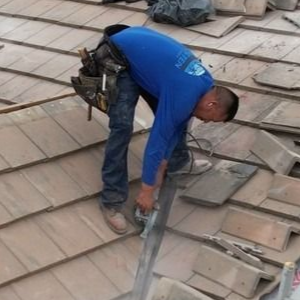
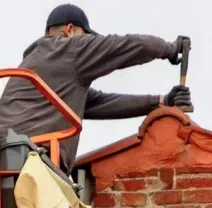
Prestige Roofing responds to urgent calls involving active leaks, storm-related damage, displaced roofing materials, and sudden failures around penetrations or flashing areas. These situations often occur without warning and require immediate attention to prevent further structural impact.
The initial focus is to contain the problem. Temporary protective measures may be used to limit water entry while a full assessment is performed. Once conditions are stabilized, the source of the issue is identified and explained so property owners understand what caused the failure and what steps may follow.
This approach allows urgent problems to be handled efficiently while providing clarity on what repairs may be needed once the immediate situation is under control.
Common Emergencies
Situations That Typically Require Emergency Roofing Assistance
Roofing emergencies can develop from a range of conditions, many of which worsen quickly if not addressed. Water entering through the roof during rain events is one of the most common issues, often caused by compromised flashing, worn materials, or damage from debris.
High winds may lift shingles or expose underlayment, while fallen branches can create openings that allow water to penetrate deeper into the structure. Flat roofing systems may also experience sudden pooling issues when drainage pathways become blocked or damaged.
In some cases, ongoing issues that were previously unnoticed become urgent when conditions change. Small vulnerabilities can escalate into visible leaks when materials shift or seals fail.
Recognizing these situations early and responding quickly helps limit interior damage and reduces the likelihood of more extensive structural repairs.
Stabilization Process
Containing The Problem Before Moving Into Permanent Repairs
Emergency roofing work focuses first on stabilizing the affected area. This may involve sealing exposed sections, redirecting water away from vulnerable points, or securing materials that have been displaced.
Temporary solutions are often necessary to prevent continued damage, especially during ongoing weather conditions. These measures allow time for a more detailed inspection once the immediate risk has been reduced.
After stabilization, a follow-up evaluation identifies the extent of the issue and outlines what repairs or replacements may be required. This step ensures that the underlying cause is addressed rather than only treating visible symptoms.
By separating emergency response from long term repair planning, property owners receive a clearer understanding of both immediate actions and next steps.
Next Steps
From Emergency Response To Planned Roofing Repairs
Once the urgent issue has been contained, attention shifts to determining how to restore the roofing system properly. Some situations may require localized repairs, while others may reveal broader areas of wear or structural concern.
A follow-up plan is developed based on the condition of the materials and the extent of the damage observed during the emergency response. This ensures that repairs are approached thoughtfully rather than rushed under urgent conditions.
Property owners are provided with a clear explanation of what was found and what options are available moving forward. This allows decisions to be made based on accurate information rather than uncertainty created by the initial emergency.
Handling both the immediate issue and the next phase of repair creates a more controlled path toward restoring the roof.
FAQs
Emergency Roofing Questions
What qualifies as a roofing emergency that needs immediate service?
Roofing emergencies typically involve active leaks, visible openings, or damage that allows water to enter the structure. These situations require prompt attention to reduce further interior and structural impact.
Can emergency repairs be completed during bad weather?
Temporary measures can often be performed during active weather conditions to reduce water intrusion. Permanent repairs are usually scheduled once conditions allow for proper installation.
Will emergency service fix the issue permanently
Emergency service focuses on stopping immediate damage. A follow-up inspection is usually required to determine what permanent repairs may be needed.
How quickly should I respond to a roof leak
Roof leaks should be addressed as soon as possible. Delays can allow water to spread into insulation, ceilings, and structural components, increasing repair scope.
What should I do before a roofing team arrives
If safe, move belongings away from affected areas and contain water using buckets or coverings. Avoid climbing onto the roof or attempting repairs yourself.
Verified Feedback